SCOTUS Strikes Down Hawaii's Handgun Limits: What It Means for Carriers in Restrictive States
Published on August 19, 2026
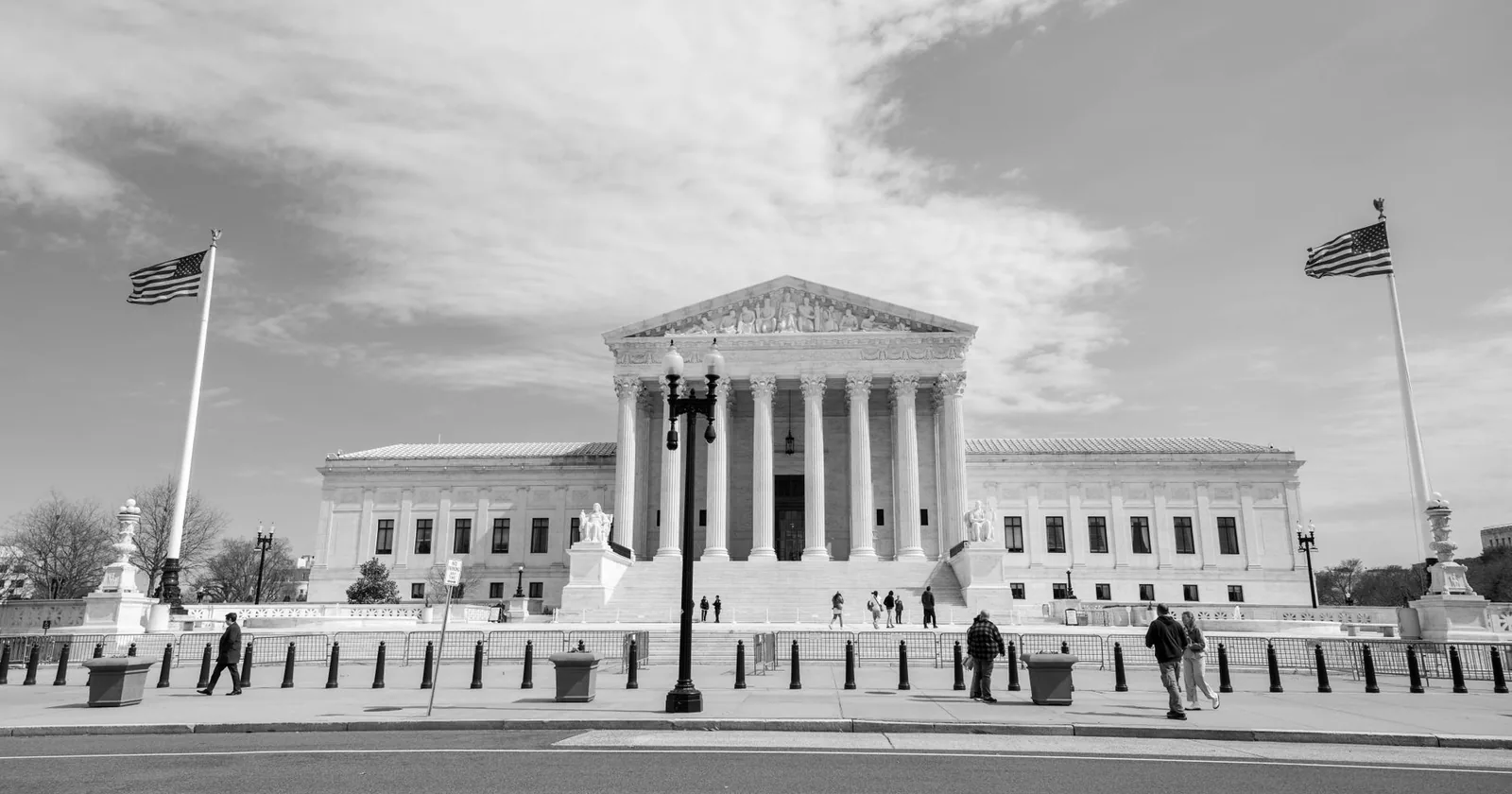
On June 25, 2026, the Supreme Court ruled 6 to 3 that Hawaii could not require a concealed carry licensee to get a property owner’s express permission before carrying a handgun onto private property open to the public. Within hours the headlines had flattened it to “Supreme Court strikes down Hawaii handgun limits,” and permit holders in California, New York, and New Jersey started asking the obvious question: Does this mean I can carry into a grocery store now?
The honest answer is no. Not this week, and possibly not for a long time. The ruling matters, and it puts real pressure on similar laws elsewhere. It is also narrower than the headline suggests, and the gap between “the Supreme Court said that law is unconstitutional” and “you may lawfully do the thing” is exactly where carriers get arrested.
Here is what the Court actually decided, which laws in other states are now on shaky ground, and why your compliance habits should not change yet.
What the Court Actually Decided
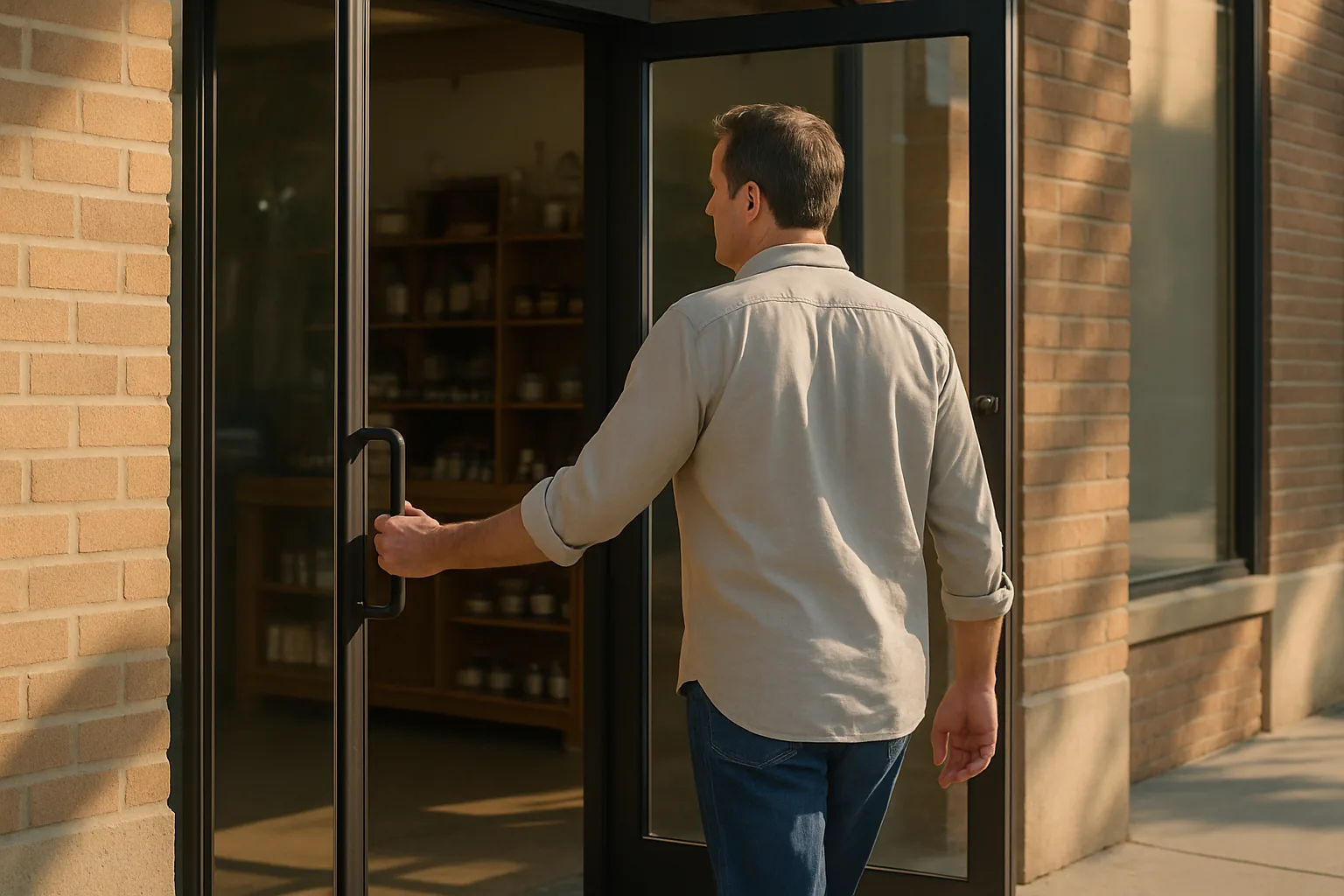
Hawaii’s Act 52, signed by Governor Josh Green in 2023, reversed the ordinary default for carrying on somebody else’s property. Under the statute, a licensed carrier committed an offense by bringing a handgun onto private property held open to the public unless the owner had granted “express authorization” first. In practice that meant a permit holder walking into a coffee shop, a hardware store, or a supermarket was breaking the law unless that business had affirmatively said firearms were welcome. Almost no business ever does. Critics called it the vampire rule, because you needed an invitation to come in.
Three Hawaii residents who held concealed carry licenses and a Honolulu-based gun rights group sued weeks after the bill was signed. A federal district judge preliminarily blocked the restrictions. The San Francisco-based Ninth Circuit largely reversed, holding that the law probably squared with the Second Amendment. The Supreme Court took the case, and the Trump administration filed in support of the challengers.
The Court’s reasoning ran through New York State Rifle & Pistol Association v. Bruen, the 2022 decision that set the framework now governing every firearms case. Bruen held that the Second Amendment protects carrying a handgun outside the home for self-defense, and that a government defending a restriction has to show the law is “consistent with this nation’s historical tradition of firearm regulation.” Advancing an important public safety interest, on its own, is not enough.
Hawaii’s problem was the direction of its default. The traditional American rule ran the other way: you could carry onto open land or into a business until the owner objected, and the burden of objecting sat with the owner. Act 52 flipped that, and a state defending a flipped default has to produce historical analogues for the flip. The majority concluded Hawaii had not.
What the Ruling Did Not Touch
This is the part the coverage skipped, and it matters more to your daily life than the holding does.
Sensitive places survived. The same challenge also attacked Hawaii’s bans on carrying at beaches, bars, and a list of other locations. The Supreme Court declined to take up that piece of the case. Those restrictions are untouched. If your state bans carry in parks, bars, hospitals, or on transit, this decision did nothing for you there.
Property owners still control their property. The ruling changed the default, not the owner’s authority. A business that posts a no-firearms notice, or a manager who asks you to leave, still gets the last word. Refusing is trespass, and trespass is not a Second Amendment question. What changed is only who has to speak first.
It was a preliminary ruling, not a final judgment. The case reached the Court on appeal from a preliminary injunction, which is why the lower court’s opinion was phrased around whether the law “likely” complied with the Constitution. The Supreme Court reversed that assessment and sent the dispute back down. A trial court still has to enter relief matching the opinion, and the litigation continues.
Permits are unaffected. Nothing here touched Hawaii’s licensing scheme, its training requirements, or any other state’s. Shall-issue is still shall-issue, and the states that make you sit through sixteen hours of instruction still do.
Which States Are Now Exposed
Hawaii was not alone in this. After Bruen struck down New York’s may-issue permit regime in 2022, several states answered with new carry statutes built on the same default-no structure for private property. The closest parallels are New York’s Concealed Carry Improvement Act, New Jersey’s 2022 overhaul, and California’s Senate Bill 2, with a version of the idea appearing in Maryland’s 2023 carry law as well.
Every one of those provisions was already in litigation before this ruling, and each sits in a different posture. Some were enjoined by district courts and then partly revived on appeal. Others were narrowed as applied to businesses open to the public while surviving elsewhere. The Hawaii decision hands challengers in all of those cases a precedent that is very hard for a state to distinguish, because the mechanism at issue is identical.
What it does not hand them is an automatic win. A ruling about a Hawaii statute is binding precedent, not an injunction against California. The issue still has to be litigated in each state, and a judge has to sign an order. That takes months at best.
Why You Still Follow Current Law Tomorrow
Read this section twice, because it is the one that keeps people out of a booking room.
A Supreme Court opinion does not delete text from a state’s criminal code. The statute sits there until the legislature repeals it or a court enters a final order barring enforcement. In the meantime, the people who decide whether you get arrested are a patrol officer working from an agency bulletin and a county prosecutor working from the statute book. Neither can be assumed to have read a slip opinion on the morning it comes down, and agency guidance can lag by weeks or months.
Three practical points follow from that.
Scope. Injunctions bind named defendants and specific enforcement conduct. An order against Hawaii’s attorney general does nothing for a carrier standing in Sacramento. Find out what has actually been enjoined in your state, by which court, and whether it is stayed pending appeal. “The Supreme Court said” is a talking point, not a legal status.
Timing. The judgment does not take effect the instant it is announced. The mandate issues after the rehearing window closes, and the case then has to work back down through the lower courts before anything changes on the ground.
Cost. Being right on appeal is not the same as being free. A weapons charge in a restrictive state means an arrest, a booking photo, a suspended permit, legal fees in the tens of thousands, and a case that runs a year or longer. You may eventually win. You will not get that year back.
So if a statute is on the books where you are standing, follow it. Let the injunction tell you when to change your behavior, not the news cycle. Our 2026 state travel atlas is a reasonable starting point for what each state currently requires, though for any state in active litigation you should confirm the status directly before you travel.
The Signage Question Becomes the Main Event
If the default flips back in your state, the practical question turns into what a property owner has to do to keep firearms out. That answer is entirely a matter of state law, not federal constitutional law, and it varies more than most carriers realize.
In some states a posted sign carries the force of law, and walking past it is a criminal offense by itself. In others a sign has no criminal weight at all until an employee asks you to leave and you refuse, at which point it becomes trespass. Several states specify the exact dimensions, wording, and placement a sign must have before it counts for anything. Whichever category you live in, that statute is the rule you will actually live under if the private-property default falls, and it is worth learning now rather than in an argument with a store manager. The state law and training overview is the place to start.
The Other Second Amendment Case From the Same Term
One week earlier, on June 18, the Court limited the reach of the federal statute barring firearm possession by unlawful drug users, rejecting a position the Trump administration had taken that put the gun rights of millions of marijuana users at risk. That decision did not repeal the federal prohibition, and the traps around state-legal marijuana are still very real for anyone applying for a permit. We walk through them in our guide to the federal unlawful user ban.
Both cases point the same direction. The Court is willing to trim firearms restrictions at the edges, one provision at a time, while leaving the surrounding structure standing. That is a poor match for anyone hoping a single ruling will clear the board. It is also a reminder that federal proposals like national reciprocity would not solve the patchwork either, because they answer a different question entirely.
What to Watch Next
- The remand. Watch what the district court actually enjoins in Hawaii, and how narrowly the state reads that order.
- Copycat filings. Expect motions in the pending California, New York, New Jersey, and Maryland cases quickly, citing this decision as controlling.
- Legislative rewrites. States that still want firearms out of businesses will shift toward sign-based schemes and expanded sensitive-place lists, which are on firmer historical ground.
- The sensitive places fight. Because the Court passed on that question here, beaches, parks, bars, and transit systems remain the live battleground, and the next round of cases will be about them.
The Bottom Line
The Supreme Court decided that Hawaii could not turn a permit holder into a criminal for walking into a store that had never said anything about firearms one way or the other. That is a genuine shift in constitutional doctrine, and the states that copied the structure will feel it.
It is not permission. Not this week, and not until a court where you live enters an order that says so. Keep carrying the way your state’s current law requires, read the posted signs, leave the moment you are asked, and keep your training and your legal understanding current rather than relying on headlines. Our use of force legal primer covers the ground underneath all of this, and anything specific to your circumstances belongs in front of a firearms attorney rather than in a comment thread.
Further reading (sources)
- Reuters on the 6 to 3 decision and what the justices left out of it
- Yahoo News for the express-authorization rule and the Ninth Circuit ruling it displaced
- The Detroit News with national coverage of the Hawaii carry decision
- Handgunlaw.us tracks current carry statutes and posted-sign rules state by state
Feature photo by Quang Vuong on Pexels.