Beyond the Permit: A 12-Month Training Roadmap for New Concealed Carriers
Published on June 6, 2026
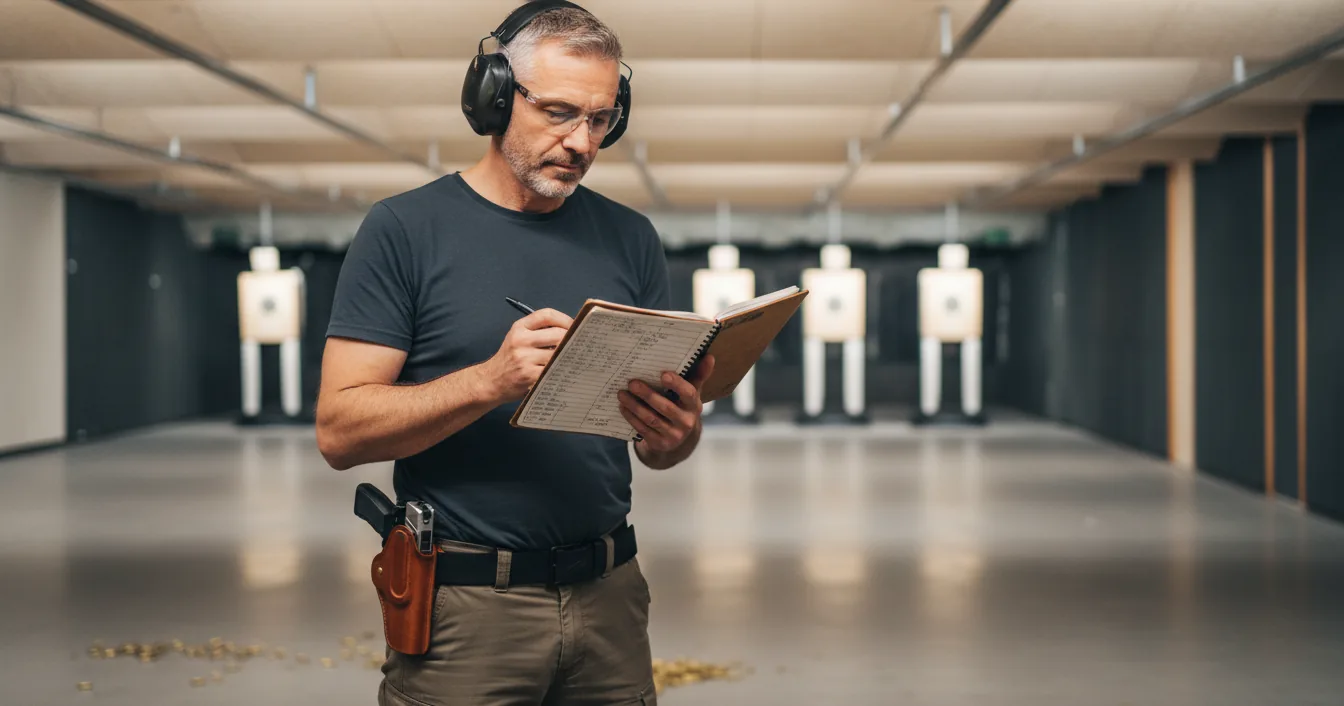
The day your concealed carry permit arrives in the mail is a beginning, not a graduation. The certification class that qualified you covered the legal minimum: safe handling, the four rules, and just enough marksmanship to satisfy your state. It did not make you ready to defend your life under stress. That readiness is built over months of deliberate practice, and the research is blunt about why it matters. A Johns Hopkins study found that states which dropped the training requirement for a carry permit saw a significant increase in firearm assaults (Johns Hopkins Bloomberg School of Public Health, 2023). Skill is the variable you control. This roadmap lays out twelve months of structured practice to turn a permit holder into a prepared one.
Why the First Year Decides Everything
Most new carriers train hard for their class, then never train again. That is the gap this plan closes. The same body of research that ties training to safety also shows that untrained public carry correlates with worse outcomes, not better ones (Everytown Research & Policy, 2020). Constitutional carry now lets residents of more than half the states carry without any class at all (USCCA, 2026), which makes self directed training a personal responsibility rather than a legal one. There is also a simple physical reason to start now: motor skills decay. The draw stroke and trigger press you grooved in class fade within weeks if you never touch them again. The first twelve months are when you either build habits that last or let the permit gather dust in a drawer.
The Three Training Modes You Will Rotate
You do not need a private range or a five figure ammo budget. Three modes, used in rotation, cover almost everything.
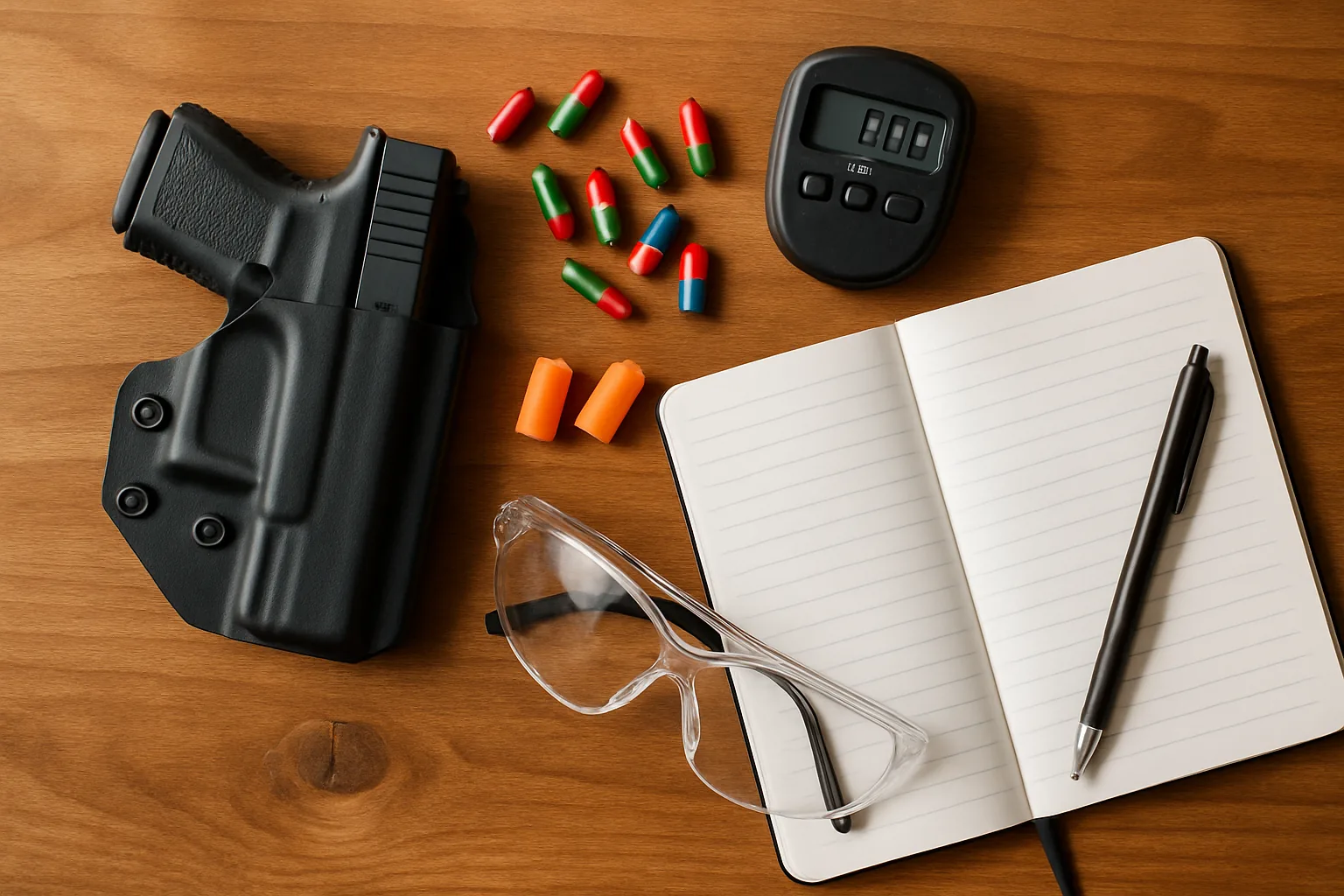
- Dry fire (no ammunition, at home). This is where you build speed and consistency for free. Ten minutes three times a week beats one long range session a month. Triple check the gun is unloaded, remove all live ammunition from the room, use dummy rounds or a dedicated training tool, and pick a safe backstop. Serious trainers and manufacturers now publish pistol specific dry fire routines you can follow (concealedcarry.com, 2026).
- The .22 trainer (cheap live fire). A .22 caliber pistol that mimics the size and controls of your carry gun lets you shoot many times the rounds for the same money, with almost no recoil to hide your mistakes. Reviewers test these specifically as understudy guns for exactly this reason (Field & Stream, 2026). A flinch that disappears behind 9mm recoil shows up plainly with a .22.
- Centerfire live fire (your carry gun). This is where you confirm the skills transfer and run the benchmarks below. Once or twice a month is plenty if your dry fire is honest.
Budget roughly two hours a week across these three and you will outpace the large majority of permit holders, who train zero hours after their class.
Months 1 to 3: Fundamentals and a Dry-Fire Habit
The first quarter is not about speed. It is about a clean, repeatable grip, a stable stance, sight alignment, and a trigger press that does not disturb the sights. Build a dry-fire habit you can actually sustain: same time, same spot, ten minutes. Then add a slow draw stroke from your real concealment holster, broken into steps (grip, clear the cover garment, rotate, join hands, press out, find the sights, press the trigger). Speed comes later. A safe, grooved sequence comes first. If your holster fights you on the draw, fix the gear before you blame the technique (our complete holster guide walks through retention, cant, and ride height). Keep your storage discipline tight at home too, because a carry gun set down off body is a gun that must be locked away from children and guests.
Months 4 to 6: Live-Fire Benchmarks That Mean Something
By the second quarter you need objective feedback, and that means measurable drills timed with a shot timer. Three classics tell you almost everything about where you stand.
- The Bill Drill. From the holster, six rounds into the A zone at seven yards, as fast as you can keep every hit in the zone. It measures recoil control and whether you trust your grip. A common intermediate goal is under three seconds, clean.
- The Failure Drill (Mozambique). Two rounds to the chest, then one to the head, on a single target. It teaches deliberate transitions and accountability for the precise shot.
- El Presidente. Three targets, turn and draw, two rounds each, reload, two more each. It blends the draw, target transitions, and a reload under time pressure.
Do not chase a fast number by spraying. A drill only counts when every hit lands in the scoring zone, so accuracy sets the pace and speed follows. Write your times in a log so you can see real progress across the year rather than guessing.
Months 7 to 9: Concealment, Malfunctions, and Low Light
Now you add realism and a little stress. Work the draw from full concealment at speed, under the actual cover garment and from the exact carry position you use every day, not from an open range holster that you never wear in public. Learn to clear the two stoppages that actually happen: the failure to fire (tap, rack, reassess) and the double feed (lock the slide, strip the magazine, clear, reload). Practice them by mixing dummy rounds randomly into your magazines so the malfunction surprises you mid string. Then address the condition most carriers ignore: the majority of defensive encounters happen in diminished light. A handheld or weapon mounted light, plus the discipline to use it without pointing the muzzle at everything you want to see, belongs in this quarter.
Months 10 to 12: Force-on-Force and Stop the Bleed
The final quarter is where carriers separate from shooters. Two kinds of training matter more here than another case of ammunition.
Force on force, using marking cartridges or airsoft against a live role player, is the closest you can get to the stress of a real encounter without the danger. It teaches what a paper target never can: movement, using cover, giving verbal commands, and the uncomfortable discovery of how often the correct answer is not to shoot at all. That decision is governed by law you should already know cold, so pair this training with a hard review of our use of force legal primer before you ever face the choice for real.
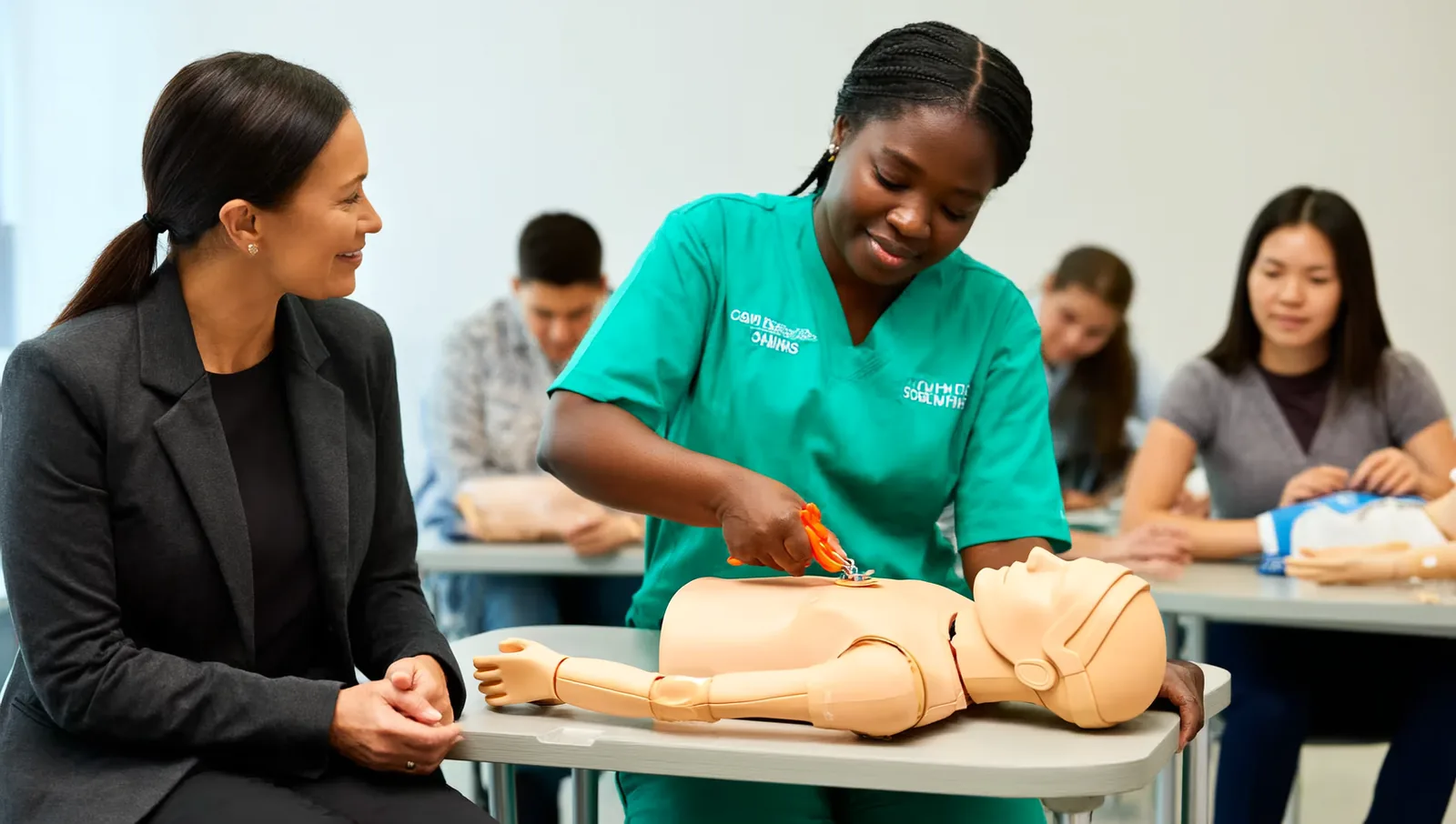
Trauma care is the other half, and most carriers skip it entirely. If you carry a tool designed to make holes, carry the tools and the training to plug them. A stop the bleed course teaches tourniquet application and wound packing in a single afternoon, and statistically the life you save with those skills is far more likely to belong to a car crash victim, a range neighbor, or yourself than to a gunfight.
Set an Annual Qualification Standard
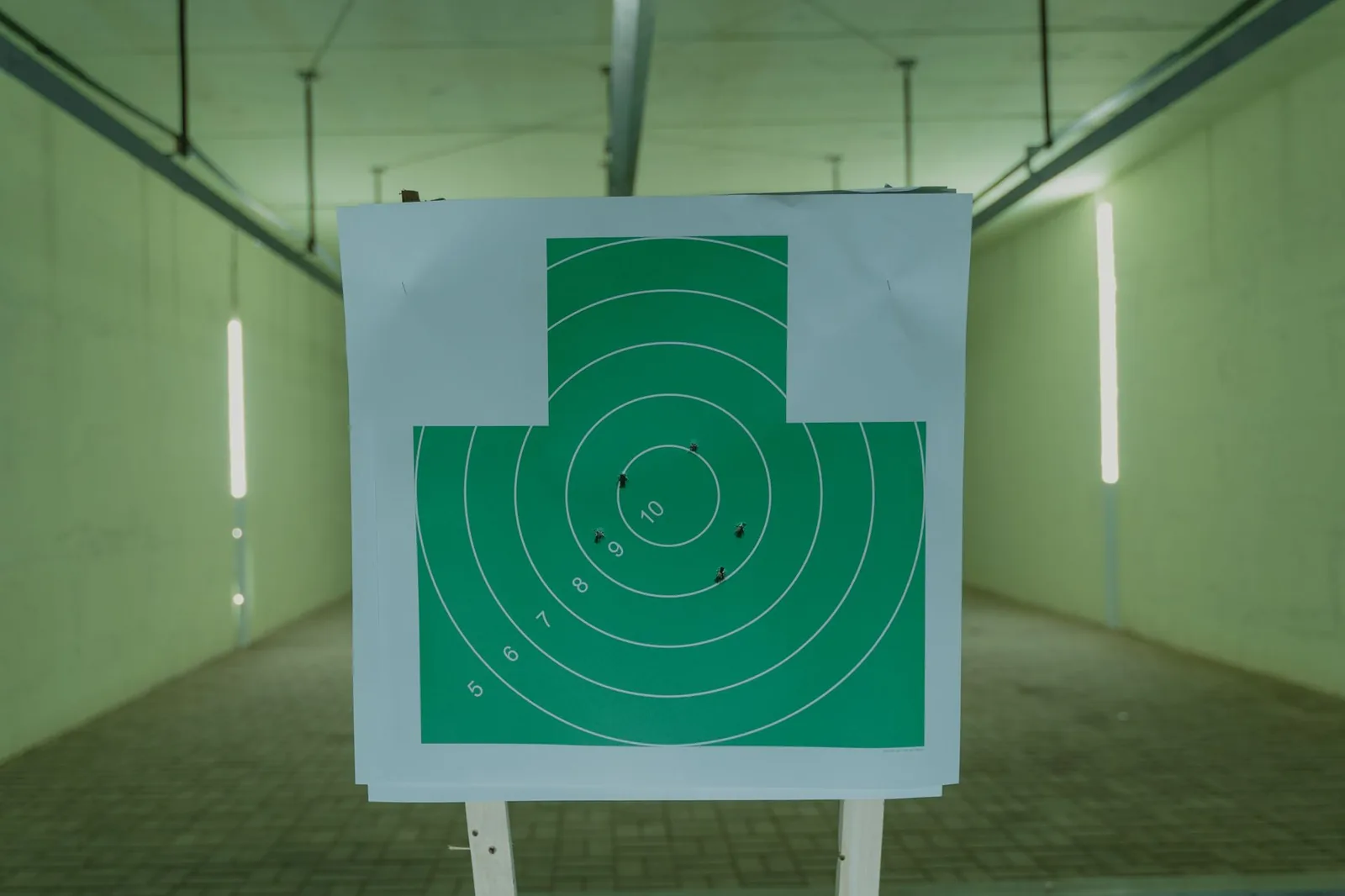
Pick one repeatable test and shoot it cold, once a year, on the same date. It can be your state police qualification, a published benchmark like the FBI qualification course, or a personal par you define. The point is a fixed yardstick: same drill, same distances, same scoring, measured year over year. A cold score with no warm up tells you the truth about where your ability sits on a random Tuesday, which is the only kind of day a defensive encounter ever happens on. Re-check your local rules at the same time, because training and permit requirements shift more often than people expect (KJCT, 2025).
Make It a Habit, Not a Resolution
Concealed carry keeps growing, and the community around it is growing with it (Tacoma News Tribune, 2025). New clubs and ranges are welcoming first time carriers who used to train alone (Denverite, 2026). Use that momentum. Find a monthly league, a steady training partner, or an instructor who pushes you past your comfort zone, because a calendar with company on it is one you actually keep. The permit was the easy part. The year that follows is where you earn the responsibility you signed up for when you decided to carry. If you are still settling on gear as you go, our first pistol buyer’s guide and the concealed carry class FAQ cover the foundations this plan is built on.
Further reading (sources)
- Johns Hopkins Bloomberg School of Public Health on how dropping a training requirement raised gun assaults
- Everytown Research & Policy for the case against untrained permitless carry
- USCCA with a plain explanation of constitutional carry
- concealedcarry.com on building a pistol specific dry fire routine
- Field & Stream for choosing a .22 pistol as a trainer
- KJCT on Colorado’s changes to concealed carry training rules
- The Tacoma News Tribune with why concealed carry keeps climbing
- Denverite for the boom in new gun clubs welcoming first time carriers