Frequently Asked Questions About Concealed Carry Classes: Everything You Need to Know
Published on February 1, 2025
Deciding to take a concealed carry class is a significant step toward responsible firearm ownership. It is also a step that comes with a lot of questions about eligibility, course content, costs, legal requirements, and what happens after you finish. Below are the most common questions prospective students ask, along with clear, straightforward answers to help you prepare with confidence.
Do I Even Need a Class?
It depends on where you live. As of 2025, 29 states allow permitless concealed carry, sometimes called constitutional carry, meaning residents can legally carry a concealed handgun without a permit provided they meet age and eligibility requirements. However, even in those states, obtaining a permit through a formal class still carries practical benefits: it enables reciprocity when travelling to other states, can streamline firearm purchases, and ensures you receive structured training in safety and legal responsibility. In the remaining states, completing an approved training course is a mandatory step in the permit application process.
Who Is Eligible to Take a Class?
Most states require applicants to be at least 21 years old, though some allow individuals as young as 18, particularly active-duty military personnel or veterans (World Population Review, 2025). You must also be legally eligible to possess a firearm under state and federal law. Common disqualifiers include felony convictions, certain misdemeanor offences, active restraining orders, and substance abuse issues. If you are unsure, check with your state’s issuing authority before enrolling.
What Does the Class Cover?
While curricula vary by state and instructor, a comprehensive concealed carry course generally addresses several core topics: fundamental firearm safety rules, proper handling and storage of firearms and ammunition, the mechanics and components of handguns, state and federal laws governing the purchase, possession, and carry of firearms, the legal use of deadly force and self-defence principles, and situational awareness and conflict avoidance strategies. Many courses also cover practical considerations such as choosing a holster, cleaning your firearm, and interacting with law enforcement while carrying.
Is There a Shooting Requirement?
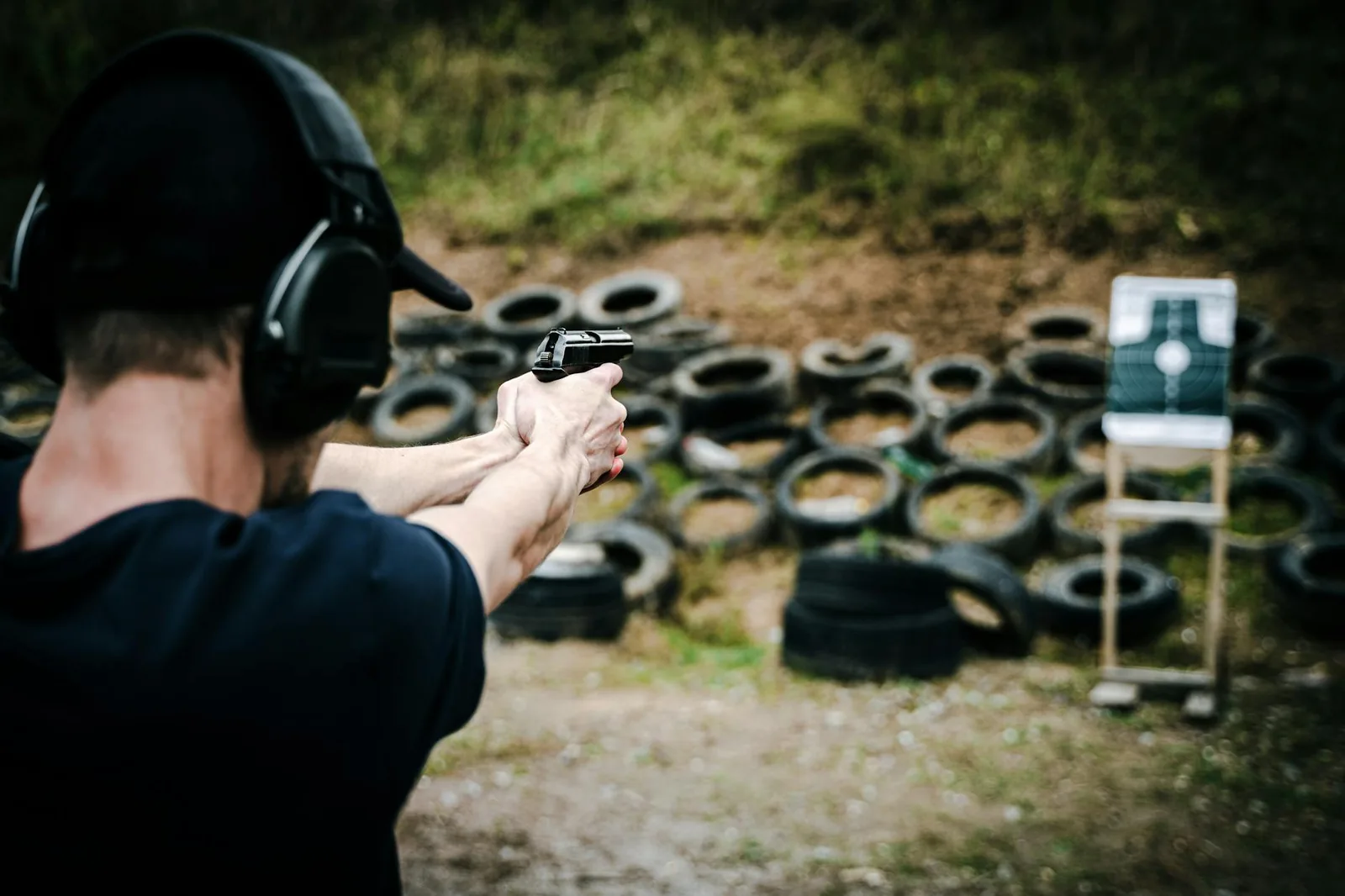
This varies significantly by state. Some states require a live-fire proficiency exercise as part of the class, while others have no shooting requirement at all. In Colorado, for example, updated legislation effective July 2025 mandates that all concealed carry classes include live-fire training, with students required to hit 35 out of 50 rounds fired. Colorado also now requires a written exam with a minimum passing score of 80 percent (Colorado General Assembly, HB24-1174). Other states may require only a brief demonstration of safe gun handling. Your course provider will let you know in advance whether you need to bring a firearm and ammunition or whether rentals are available.
How Long Does the Class Take?
Class length ranges from a few hours to a full day depending on state requirements and the depth of the curriculum. Colorado mandates a minimum of eight hours, including live-fire and written testing. Some states accept shorter courses (particularly those without a range component), while others require even more. Plan to dedicate at least a half-day, and expect a full day if live-fire training is included.
How Much Does It Cost?
Costs typically range from around $50 to $250 for the class itself, depending on location, instructor, and what is included. On top of the training fee, you should budget for the permit application, which usually involves additional charges for fingerprinting, background checks, and state processing. Total costs from class to permit in hand generally fall between $75 and $300, though some states charge more.
What Should I Bring?
Most instructors recommend bringing a valid photo ID, a notepad, water, and a snack. If the course includes live-fire training, you may need your own handgun and ammunition, though many facilities offer rentals. Always confirm beforehand. Keep any firearm unloaded and cased until instructed otherwise.
What Happens After the Class?
Upon passing, you will receive a certificate of completion to submit as part of your permit application. The application process typically includes fingerprinting, a background check, and payment of fees. Processing times vary. Some states issue permits within weeks, while others take up to 90 days. Once issued, your permit will require periodic renewal, which may involve a refresher course.
Will My Permit Work in Other States?
Not automatically. Concealed carry reciprocity (the recognition of your permit by other states) varies widely. Some states honour permits from most or all other states, while others such as California and New York do not recognise any out-of-state permits (ArmaLaser, 2025). Before travelling with a concealed firearm, always verify reciprocity agreements for every state you plan to pass through. The USCCA and your state attorney general’s office are reliable resources for up-to-date reciprocity information.
Taking a concealed carry class is not just a legal checkbox. It is an investment in your knowledge, safety, and confidence as a firearm owner. The more informed you are before you walk into the classroom, the more you will get out of the experience.
Feature photo by Dan Galvani Sommavilla on Pexels.
Further reading (sources)
- ATF on why no federal agency issues a concealed carry permit
- ATF for the Brady permit chart of state permits that qualify
- Congressional Research Service with the overview of federal firearms law