What to Expect in Your First Concealed Carry Course: A Comprehensive Guide
Published on February 1, 2025
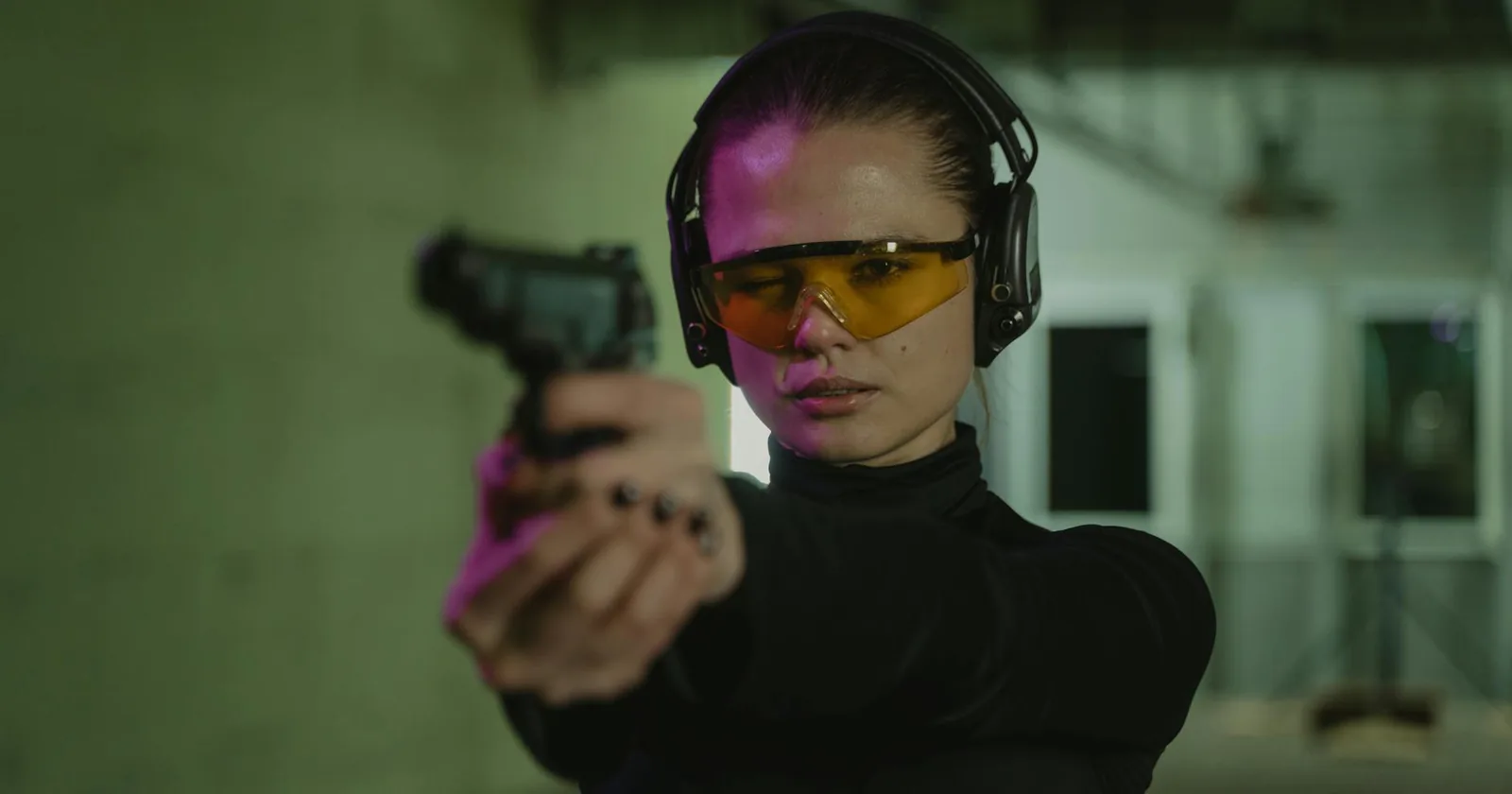
Walking into your first concealed carry course can feel intimidating, especially if you are new to firearms. The good news is that these classes are specifically designed for people at every experience level, and the instructors want you to succeed. Knowing what to expect before you arrive will help you get the most out of the experience and leave feeling confident rather than overwhelmed.
The Classroom Portion
Every concealed carry course begins with classroom instruction, and this is where you will spend the majority of your time. The classroom segment covers the foundational knowledge that every permit holder needs, starting with the universal rules of firearm safety: assume every gun is loaded regardless of what you have been told, never let the muzzle cover anything you are not willing to destroy, leave your finger outside the trigger guard until your sights are on target, and positively identify what you are shooting at as well as what is behind it (USCCA, 2025).
From there, the curriculum typically moves into the legal framework surrounding concealed carry in your state. You will learn where you are legally permitted to carry and where firearms are prohibited. Government buildings, school zones, and certain private properties are common restricted areas. Your instructor will also cover the legal standards for the use of deadly force, including whether your state follows Castle Doctrine, Stand Your Ground, or Duty to Retreat principles. This legal instruction is one of the most valuable parts of the course, because the consequences of misunderstanding these rules can be severe.
Hands-On Firearm Fundamentals
Beyond the legal and safety lectures, your instructor will walk you through the mechanical fundamentals of handgun operation. This includes identifying the major components of a firearm (the frame, barrel, and action) as well as learning how to safely load, unload, and clear your weapon. You will practice proper grip technique, learn the difference between common shooting stances like the isosceles and weaver positions, and receive instruction on sight alignment and trigger control (2A Firearms Academy, 2025).
If you have never handled a firearm before, do not worry. Instructors expect a range of skill levels in every class, and they are there to guide you through each step. Many training facilities also offer loaner firearms for students who have not yet purchased their own handgun.
The Live-Fire Exercise
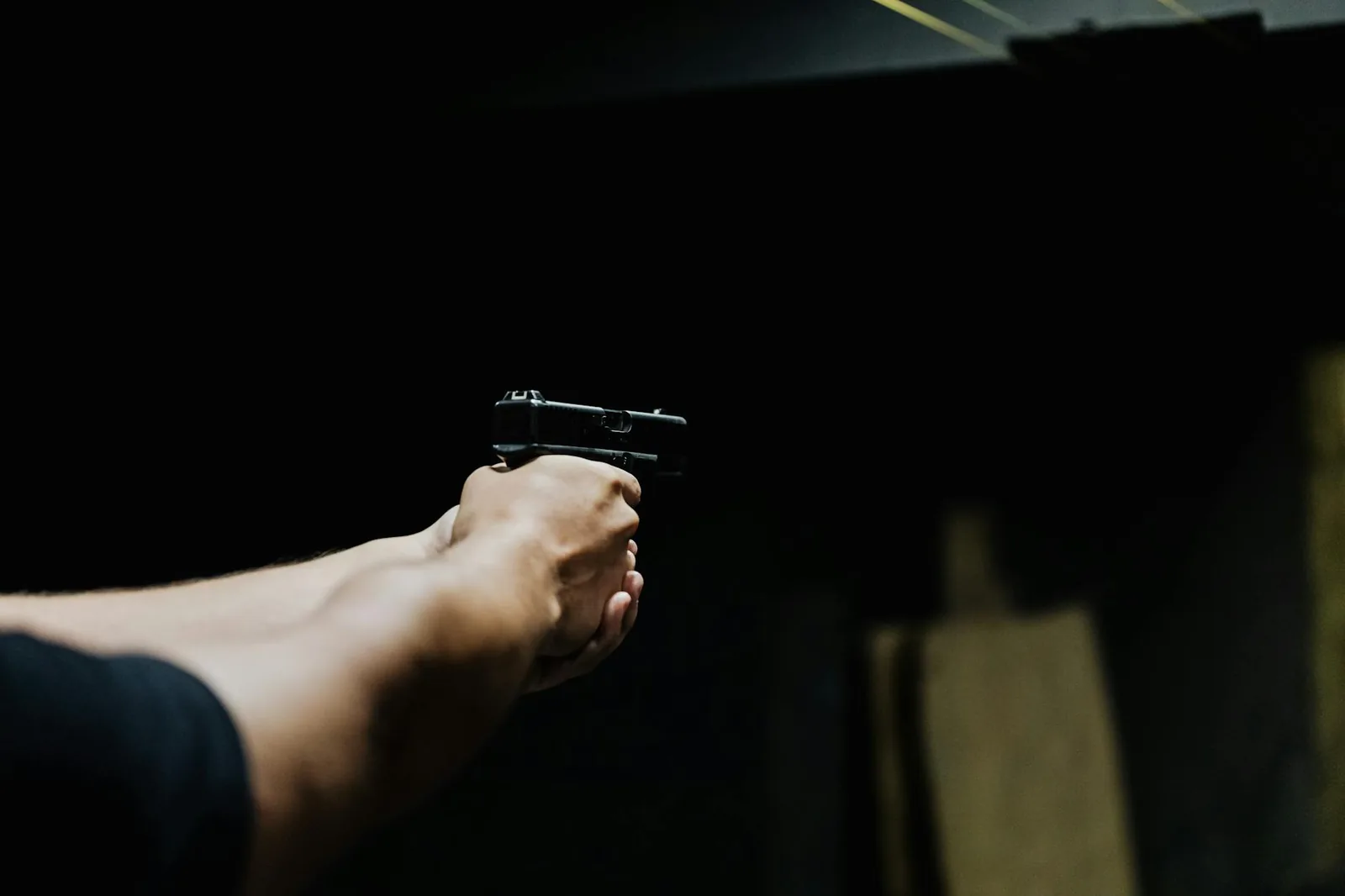
In states that require a shooting qualification, you will move to the range for a live-fire exercise after completing the classroom portion. This is where you demonstrate that you can safely handle and discharge a firearm with basic proficiency. The standards vary by state. Some require a specific number of rounds on target at set distances, while others simply require a demonstration of safe handling under instructor supervision.
The live-fire portion is not designed to test you like a marksman competition. Instructors are evaluating your ability to follow safety procedures, maintain control of your firearm, and place rounds on target with reasonable accuracy. If you are nervous about this part, consider visiting a local range beforehand to practice with the firearm you plan to bring.
What to Bring
Preparation starts before you leave home. Most instructors recommend the following: a valid photo ID, a notepad and pen, comfortable clothing with closed-toe shoes, ear and eye protection rated for range use, water and snacks for a long day, and your firearm (unloaded and cased) along with the required ammunition if the course includes live fire (NRA Shooting Illustrated, 2025; Widener’s, 2023). If you plan to wear a holster during live-fire training, bring one that fits your firearm securely. Your instructor may send a detailed gear list in advance. Check it carefully and give yourself time to acquire anything you are missing.
The Written Test
Many states now require a written exam as part of the certification process. The test typically covers firearm safety rules, legal definitions related to self-defence and use of force, and basic handgun terminology. It is generally not difficult if you have been attentive during the classroom portion. In Colorado, for example, applicants must score at least 80 percent on the written exam (Colorado General Assembly, HB24-1174). Your instructor will cover everything you need to know before the test, so take notes and do not hesitate to ask questions during the lecture.
After the Course
Once you pass the class (both the written and live-fire portions if applicable), you will receive a certificate of completion. This certificate is required when you submit your concealed carry permit application to your local issuing authority. From there, the process involves fingerprinting, a background check, and payment of fees, with processing times ranging from a few weeks to several months depending on your state.
Passing the class is an important milestone, but it is just the beginning of your journey as a concealed carrier. Experienced instructors consistently emphasize that ongoing practice and training are what separate a truly prepared gun owner from someone who simply holds a permit. Consider scheduling regular range time, seeking out advanced courses, and staying current on any changes to your state’s carry laws.
Feature photo by Tima Miroshnichenko on Pexels.
Further reading (sources)
- ATF on the top firearms questions the agency actually answers
- Congressional Research Service for what federal law does and does not require of carriers
- Handgunlaw.us with which states will honour the permit you earn